
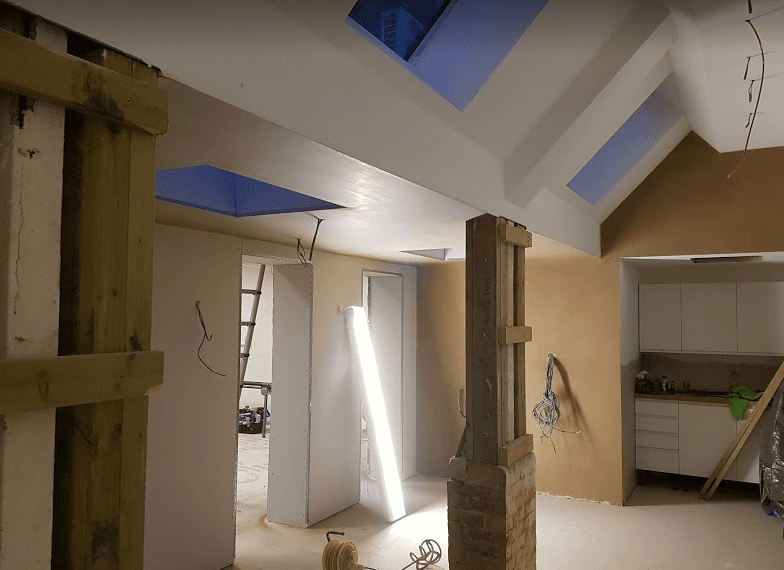
Lime Plastering in Norfolk
Specialist lime plastering for listed buildings, Victorian homes, and heritage properties across Norfolk and Suffolk. We use traditional, breathable lime plaster to protect your property's character and structural integrity—the way it was always meant to be done.
What Is Lime Plastering?
Lime plastering is a traditional method of finishing walls and ceilings that has been used for centuries across Norfolk and the rest of Britain. Unlike modern gypsum plaster, lime plaster is made from limestone that has been burned in a kiln and then slaked with water to create lime putty, or processed into hydraulic lime powder. When mixed with sand and sometimes natural fibres such as animal hair, it produces a breathable, flexible plaster that moves with the building rather than cracking against it.
The key advantage of lime plaster is its breathability. Older buildings, particularly those constructed with solid walls of brick, flint, or stone, were designed to manage moisture through evaporation. Modern gypsum and cement-based plasters create a sealed barrier that traps moisture within the wall structure, leading to rising damp, salt crystallisation, and decay of historic masonry. Lime plaster allows water vapour to pass through the wall naturally, maintaining a healthy moisture balance and protecting the fabric of your building.
In Norfolk, where we have thousands of period properties—from medieval churches and Tudor manor houses to Georgian townhouses and Victorian terraces—lime plastering remains the only appropriate choice for sympathetic restoration and repair. As specialist lime plasterers based in Great Yarmouth, we bring the knowledge and skill needed to work with these traditional materials correctly.
When You Need Lime Plastering
Not every property needs lime plaster—but for these situations, it is the only correct choice. Using the wrong plaster on an older building can cause serious, costly damage over time.
Listed Buildings
If your property is Grade I or Grade II listed, lime plaster is almost always required by conservation officers. Modern gypsum is not compatible with historic construction methods and can cause irreversible damage to listed structures. We understand the requirements and can work within Listed Building Consent conditions.
Victorian & Edwardian Homes
Properties built before the 1920s were constructed with solid walls designed to breathe. Victorian and Edwardian homes across Norfolk—in Norwich, Great Yarmouth, North Walsham, and beyond—benefit enormously from lime plastering, which works with the original building fabric rather than against it.
Damp & Moisture Problems
If you have persistent damp issues in an older property, the cause may be modern plaster trapping moisture. Removing cement render or gypsum plaster and replacing it with breathable lime plaster is often the most effective long-term solution to rising and penetrating damp in solid-walled buildings.
Flint & Stone Buildings
Norfolk is renowned for its beautiful flint cottages and churches. These buildings require a plaster that can accommodate the irregular surface of flintwork and allow moisture to escape. Lime plaster bonds beautifully with flint and stone substrates, providing a durable, authentic finish.
Conservation Area Properties
Even if your property is not individually listed, being within a conservation area may mean that lime materials are preferred or required for external work. We can advise on the appropriate materials and approach for properties in Norfolk's many conservation areas.
Barn Conversions & Rural Properties
Converted barns, farmhouses, and rural cottages across Norfolk often have thick solid walls that need to breathe. Lime plastering ensures these characterful buildings remain dry, comfortable, and structurally sound while preserving their rustic charm and heritage appeal.
Our Lime Plastering Process
Lime plastering requires patience, skill, and an understanding of traditional building methods. Here is how we approach every lime plastering project in Norfolk.
Survey & Assessment
We inspect your property, assess the existing plaster and substrate, identify moisture issues, and recommend the correct lime specification for your building. For listed properties, we liaise with conservation officers as needed.
Preparation
Old plaster is carefully removed—often by hand to protect historic masonry. Walls are dampened and raked out to provide a mechanical key. We protect all floors, furniture, and fixtures throughout the process.
Application
Lime plaster is applied in multiple coats—typically a scratch coat, a floating coat, and a finishing coat. Each coat must be allowed to cure properly before the next is applied, ensuring a strong, durable bond with the substrate.
Curing & Finishing
Lime plaster cures through carbonation, gradually absorbing CO2 from the air. We advise on ventilation and aftercare to ensure optimal curing. The finished surface can be left natural, limewashed, or decorated with breathable paints.
Typical Lime Plastering Timelines
3–5 days
Single wall (lime plaster)
1–2 weeks
Full room (multi-coat)
3–6+ weeks
Whole property restoration
Important: Lime plaster takes longer than gypsum to cure—typically 4 to 8 weeks before decoration. Each coat requires adequate drying time between applications. This patience is rewarded with a superior, long-lasting finish that protects your property for decades.
Types of Lime Plaster We Use
We select the correct lime specification for each project based on the building's age, construction, exposure, and the requirements of any listed building consent.
Hydraulic Lime Plaster (NHL)
- Sets through a chemical reaction with water
- Available in NHL 2, NHL 3.5, and NHL 5 strengths
- Suitable for damp or exposed locations
- Ideal for external lime render and below-grade work
- Faster initial set than non-hydraulic lime
Hydraulic lime is our most versatile option. NHL 3.5 is the most commonly used grade for general lime plastering in Norfolk, offering a good balance of breathability and durability. We use NHL 2 for the most delicate historic interiors and NHL 5 for heavily exposed external walls.
Non-Hydraulic Lime (Lime Putty)
- Sets through carbonation—absorbing CO2 from air
- Maximum breathability and flexibility
- Perfect for fine internal finishing coats
- Traditional material used for centuries
- Produces a beautiful, soft finish
Lime putty plaster is the most traditional option and offers the highest level of breathability. It is ideal for fine finishing coats on internal walls in listed buildings and heritage properties where authenticity is paramount. We source quality aged lime putty for the best workability and finish.
Lime Render (External)
- Weather-resistant breathable coating
- Protects masonry while allowing moisture escape
- Can be colour-matched to existing finishes
- Suitable for flint, brick, and stone walls
- Far superior to cement render on older buildings
Lime render is the external equivalent of internal lime plaster. It provides weather protection to your walls while maintaining breathability—something cement render simply cannot do. We apply lime render in multiple coats for maximum durability and can match existing textures and colours for seamless repairs.
Lime Plastering Costs in Norfolk
Lime plastering is a specialist skill that costs more than standard gypsum work, but the long-term benefits for your property far outweigh the initial investment. Here are our typical price ranges.
£40–£60
Lime plaster per sqm
Multi-coat application
£800–£2,500
Single room (lime plaster)
Walls & ceiling
£50–£75
External lime render per sqm
Weather-resistant finish
From £250
Lime plaster repairs
Patch & blend
What Affects Lime Plastering Costs?
Type of lime used
Number of coats
Substrate condition
Access & scaffolding
Why lime plaster costs more: Lime plastering requires specialist materials, multiple coats with curing time between each, and skilled tradespeople who understand traditional building methods. The result is a finish that will last for generations and protect your property's structural integrity.
Get Your Free Lime Plastering Quote
Free, no-obligation site survey · Detailed written quote with material specifications · Advice on conservation approvals
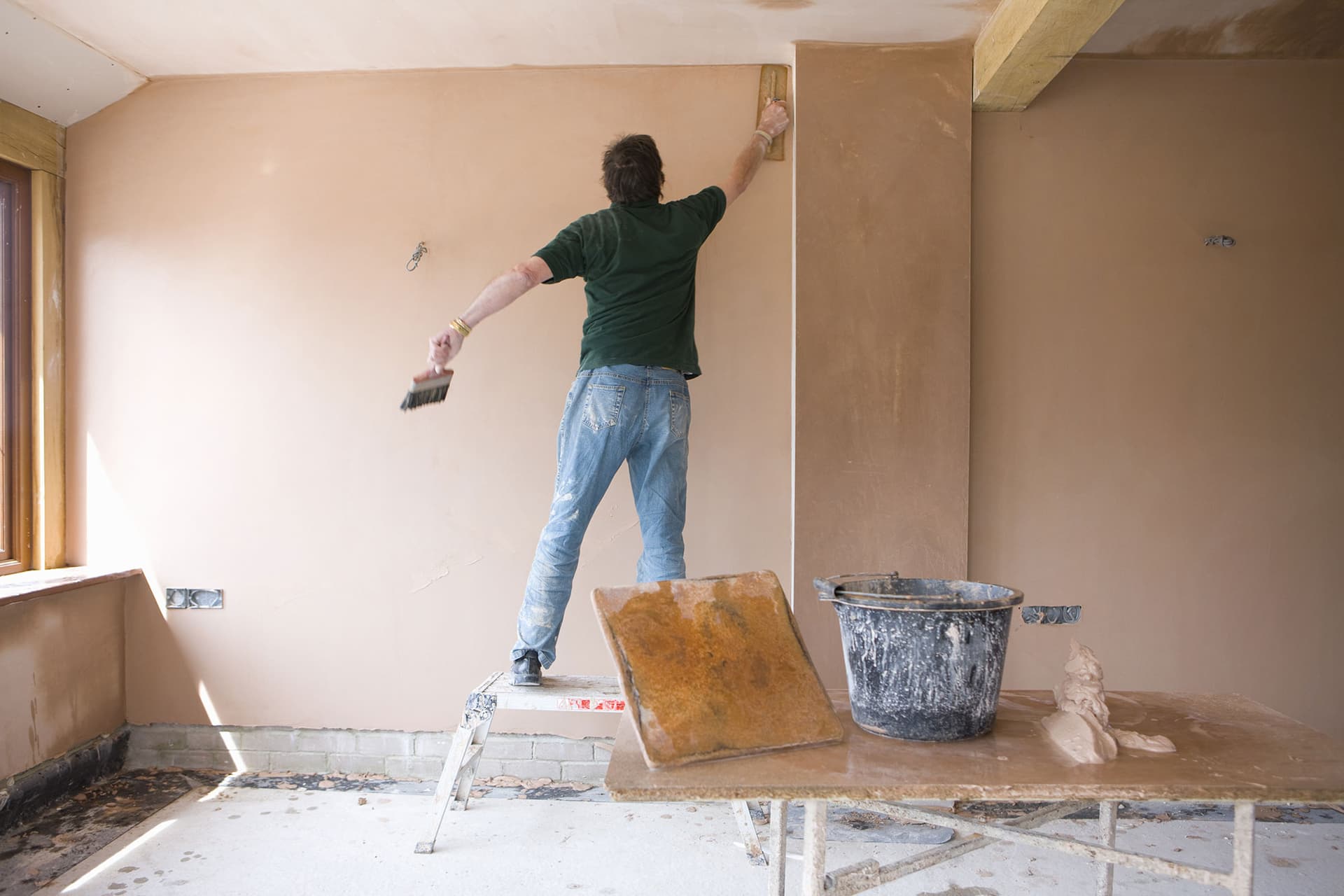
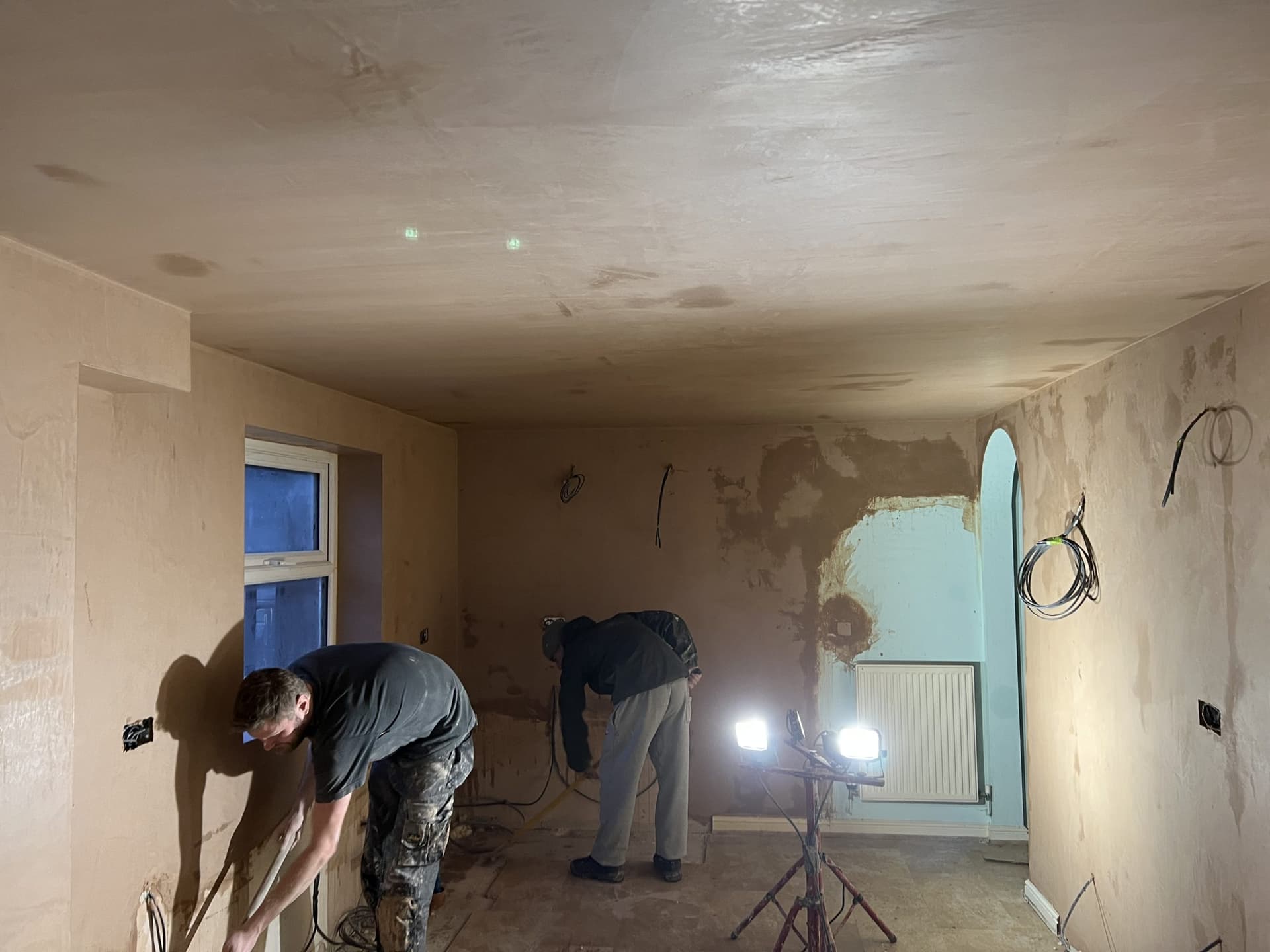
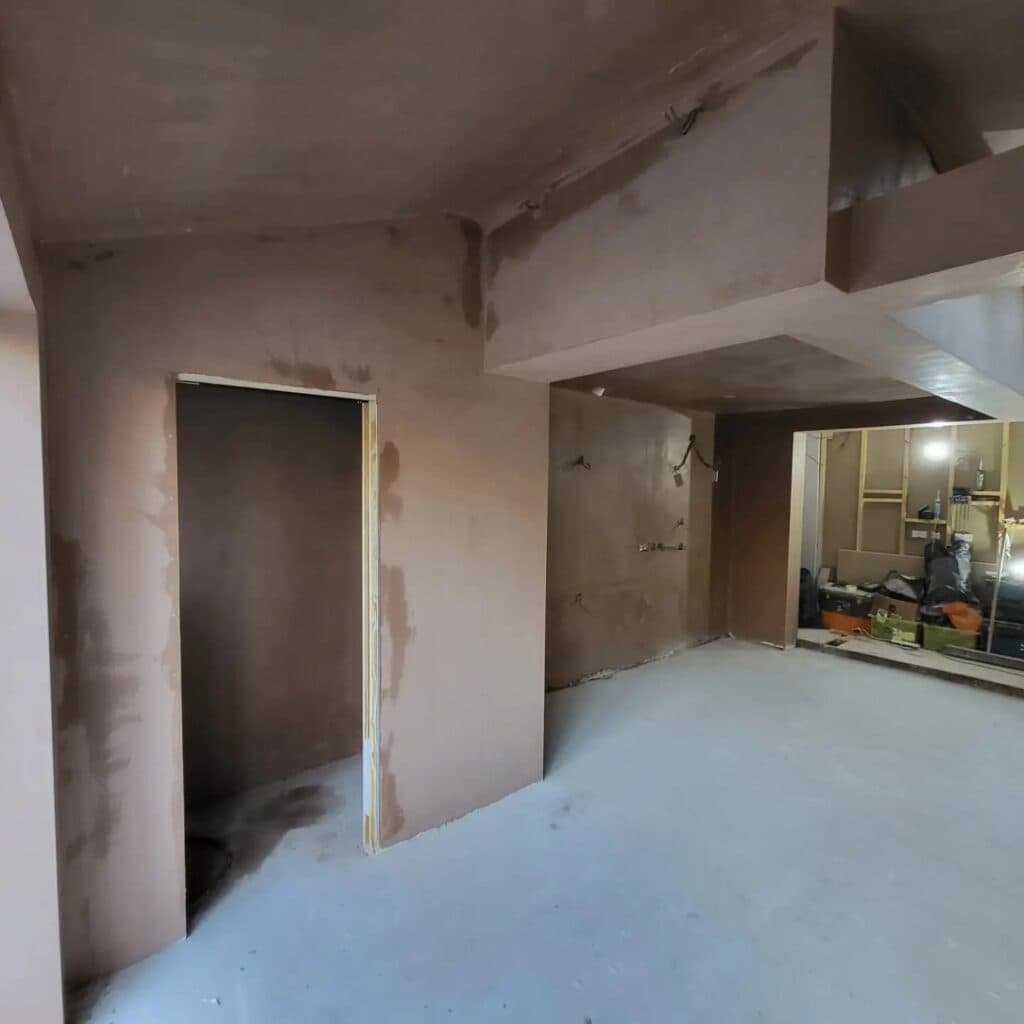
Lime Plastering Gallery
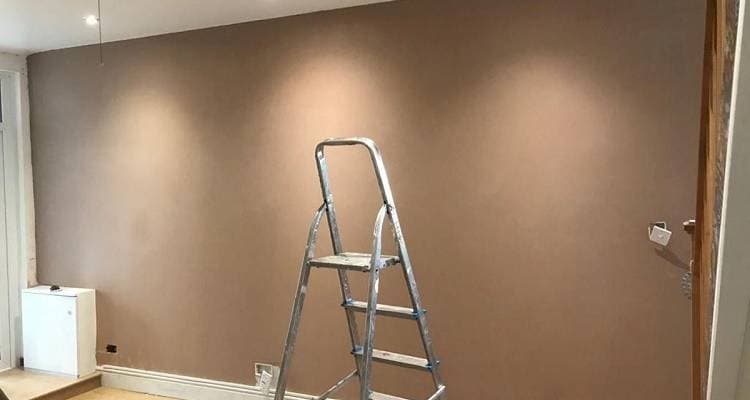
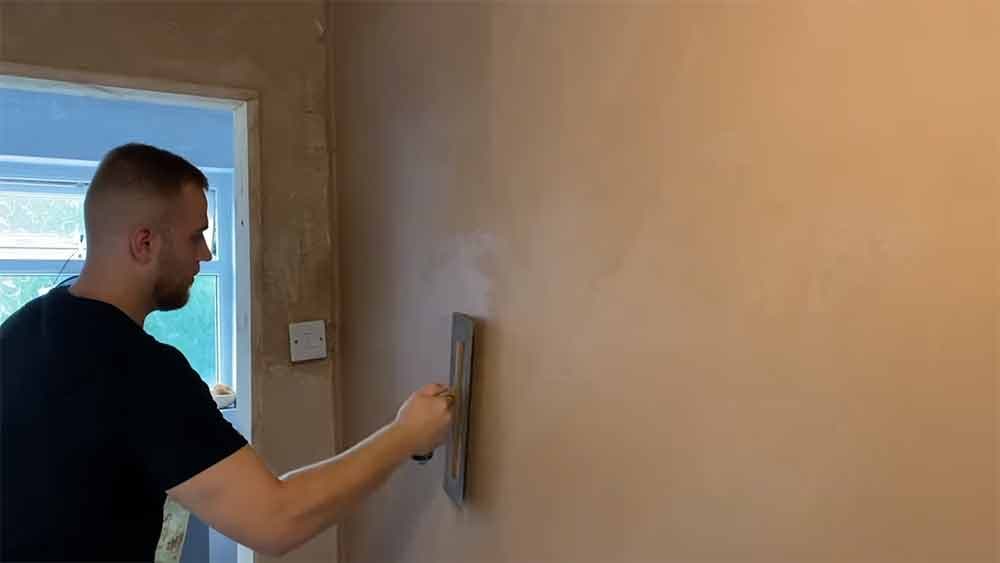
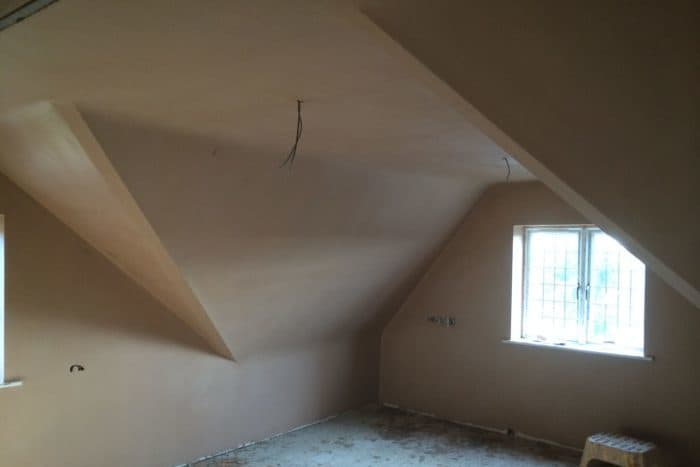
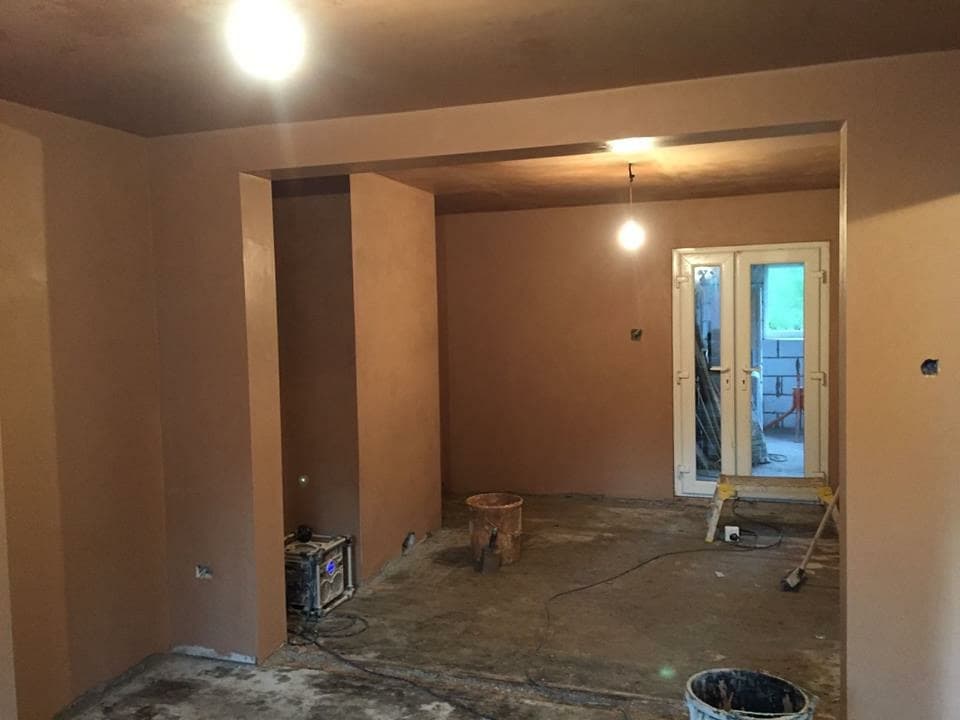
Examples of our lime plastering work across Norfolk's heritage and period properties.
What Our Clients Say
Real reviews from homeowners across Norfolk who have trusted us with their heritage and period property plastering projects.
“It now looks immaculate. Took care of the carpets and was conscious of keeping mess/dust to a minimum. Highly recommend.”
Vic Dron
North Walsham · Heritage Home Restoration
“The results are amazing! The knowledge and correspondence from him has been outstanding—highly recommend—5 star service.”
Shane Atherton
Lowestoft · Period Property Lime Plastering
“Great work ethic, always on time, took a lot of time & trouble to ensure the work was completed to a high standard.”
Judy Bishop
Norwich · Victorian Home Plastering
“Very polite and tidy, very reasonable price, would highly recommend and will use again.”
Paul Garnett
Great Yarmouth · Lime Render Repair
“Amazing service, we are really pleased with the results! Reasonably priced and very polite. Side note—great with dogs!”
Samantha Mckay
Great Yarmouth · Residential Lime Plastering
“Was at mine at such short notice as I needed it doing ASAP as it was my son's room. 10/10 for service and quality.”
Stephen Lynch
Gorleston · Urgent Plaster Repair
Lime Plastering Across Norfolk & Suffolk
Based in Great Yarmouth, we provide specialist lime plastering services throughout Norfolk and into Suffolk. Many of these areas have a rich concentration of heritage properties, listed buildings, and conservation areas where lime plaster is essential.
Great Yarmouth
Norwich
North Walsham
Aylsham
Holt
Cromer
Gorleston
Lowestoft
Beccles
Bungay
Loddon
Wymondham
Diss
Hemsby
Caister-on-Sea
Acle
Wroxham
Stalham
Don't see your area listed? We cover all of Norfolk and Suffolk— to discuss your lime plastering project.
Explore Our Other Plastering Services
General Plastering Services →
Full range of plastering services including skimming, plasterboarding, dot & dab, rendering, and emergency repairs across Great Yarmouth and Norfolk.
Plaster Repairs →
Expert plaster repair services for cracked, blown, or damaged plaster. We repair both modern gypsum and traditional lime plaster with seamless, invisible results.
Lime Plastering FAQs
Common questions about lime plastering for heritage and period properties in Norfolk.
What is lime plastering and why is it used?
Lime plastering uses a traditional, breathable plaster made from lime putty or hydraulic lime mixed with sand and sometimes animal hair for reinforcement. It allows moisture to pass through walls naturally, preventing damp and condensation—making it essential for heritage buildings, listed properties, and older homes built before the 1920s that were designed to breathe.
Can I use modern gypsum plaster on my period property?
Using modern gypsum plaster on period properties is generally not recommended. Gypsum plaster traps moisture within walls, which can lead to rising damp, salt damage, and deterioration of historic masonry. Lime plaster is breathable and works with the building's natural moisture management system, preserving the structure for future generations.
How much does lime plastering cost in Norfolk?
Lime plastering in Norfolk typically costs between £40 and £60 per square metre, depending on the type of lime used, number of coats required, and the condition of the existing substrate. A full room can range from £800 to £2,500. We provide free, no-obligation quotes with a clear breakdown of all costs.
How long does lime plaster take to dry?
Lime plaster takes significantly longer to cure than modern gypsum—typically 4 to 8 weeks depending on thickness, temperature, and ventilation. Each coat needs adequate drying time before the next is applied. We advise clients on proper ventilation and drying conditions to ensure the best possible finish.
Do I need planning permission for lime plastering?
Lime plastering itself does not usually require planning permission. However, if your property is listed, you may need Listed Building Consent for any alterations including replastering. We have experience working with conservation officers and can advise you on the appropriate approvals needed for your project.
What areas in Norfolk do you cover for lime plastering?
We cover all of Norfolk and Suffolk from our base in Great Yarmouth—including Norwich, North Walsham, Aylsham, Holt, Cromer, Beccles, Bungay, Loddon, Wymondham, Diss, and all surrounding villages. Many of these areas have a high concentration of heritage and period properties that benefit from lime plastering.
What is the difference between hydraulic and non-hydraulic lime plaster?
Hydraulic lime (NHL) sets through a chemical reaction with water and is suitable for exposed or damp areas, external renders, and below-grade applications. Non-hydraulic lime (lime putty) sets through carbonation—absorbing CO2 from the air—and offers maximum breathability, making it ideal for internal walls and fine finishing coats. We select the appropriate lime type based on your property's specific needs.
Protect Your Heritage Property with Lime Plaster
Contact Norfolk's specialist lime plasterers today for your free site survey and discover why heritage homeowners across the county trust us with their most treasured properties.